Cézanne
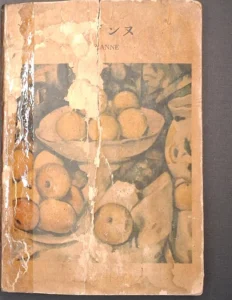
CÉZANNE
Kodansha Art Books, Tokyo · First printing April 15, 1955 · 17 plates
In 1955, a Japanese publisher did something quietly remarkable.
Kodansha — one of Tokyo’s great publishing houses, based in Bunkyo-ku — released this volume as part of their Art Books series, printed by Kyodo Printing Co. Ltd. It was priced at 150 yen. A modest price for an immodest ambition: to bring Paul Cézanne — the father of modern art, the bridge between Impressionism and everything that followed — to Japanese readers in the decade after the war.
Japan in 1955 was rebuilding. That a publisher chose this moment to produce a serious Cézanne volume — carefully edited, beautifully printed — says something about what people reach for when the world has been broken and needs to be remade.
I found this book in Saigon. A Japanese art book in a Vietnamese collection — testament to how far books travel, and how stubbornly they survive. It had crossed the Pacific, reached Southeast Asia, outlasted a revolution, and waited.
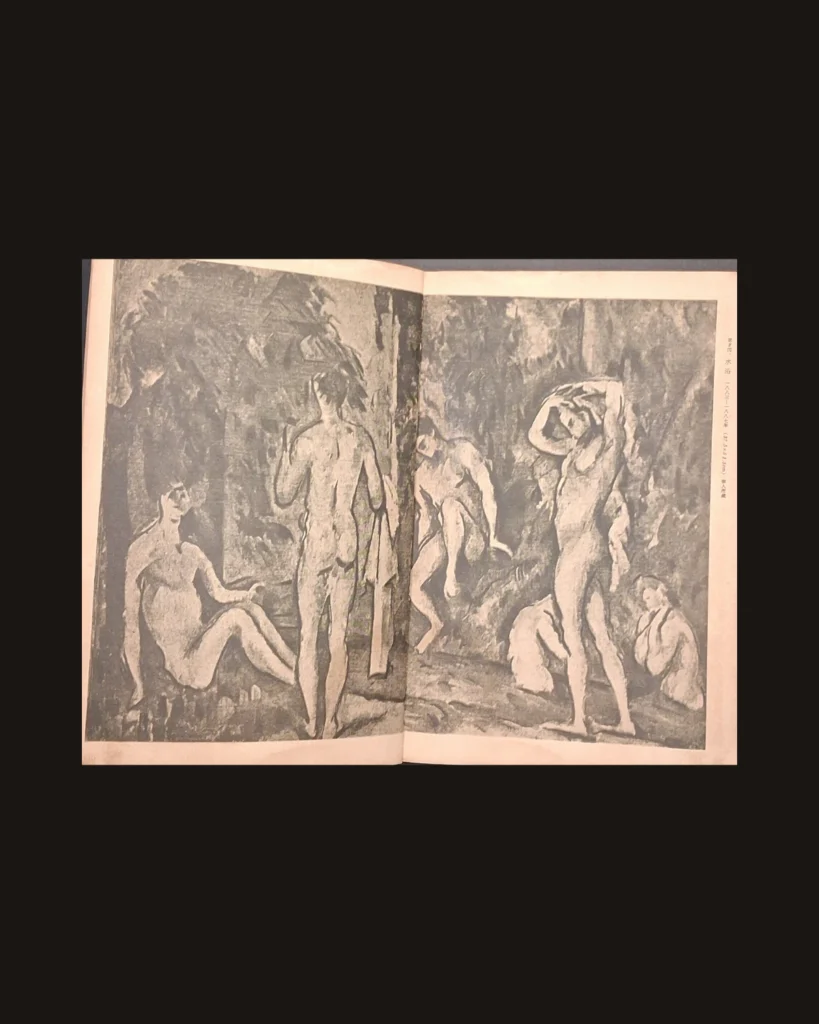
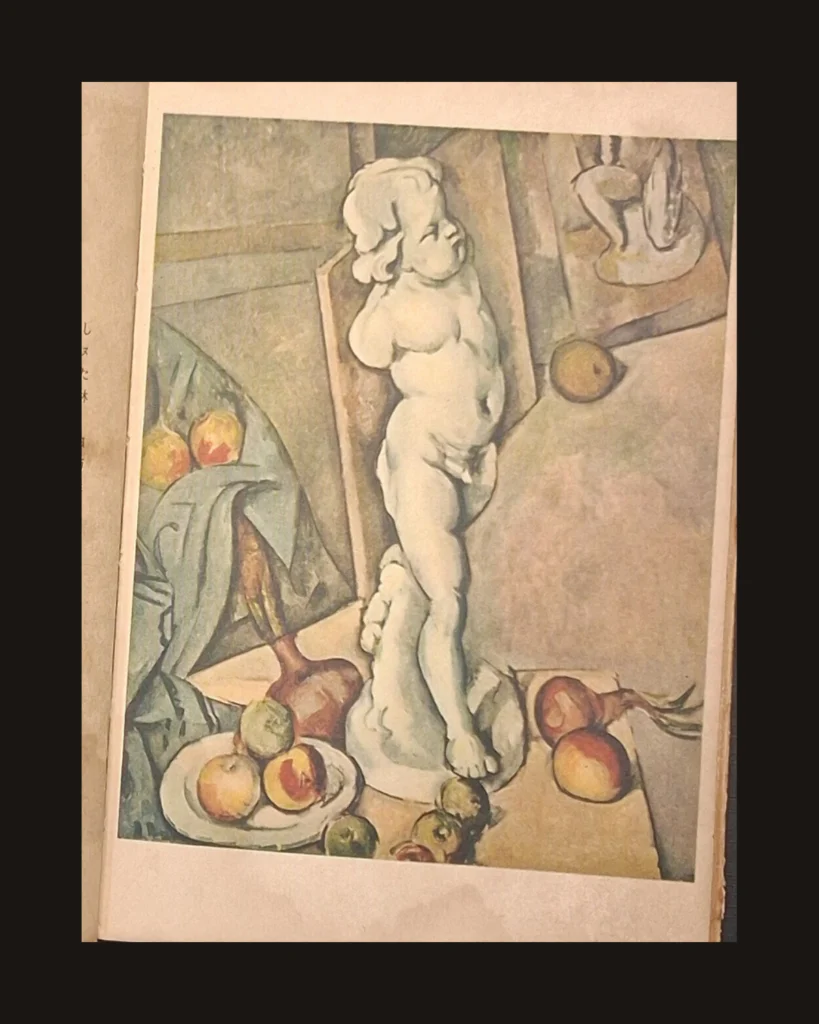
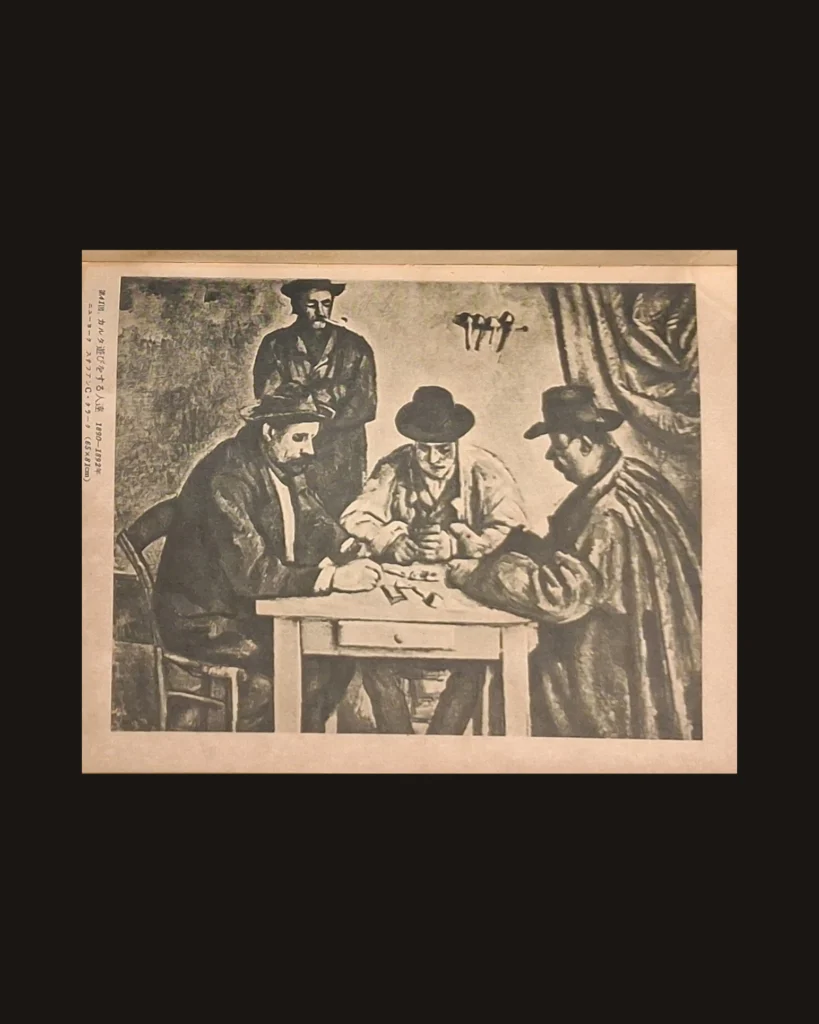
Cézanne spent his life being misunderstood and painting anyway. Mont Sainte-Victoire, again and again. The bathers. The card players. The apples. He believed that underneath everything visible, there was structure — something permanent beneath the surface of things.
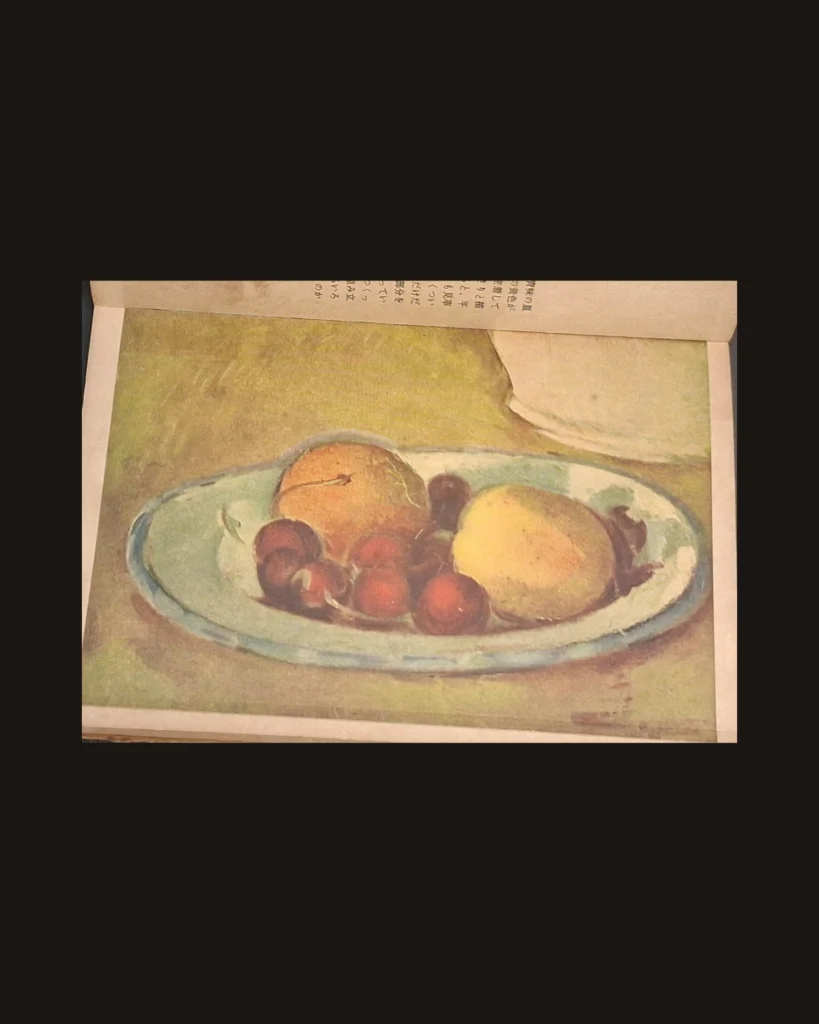
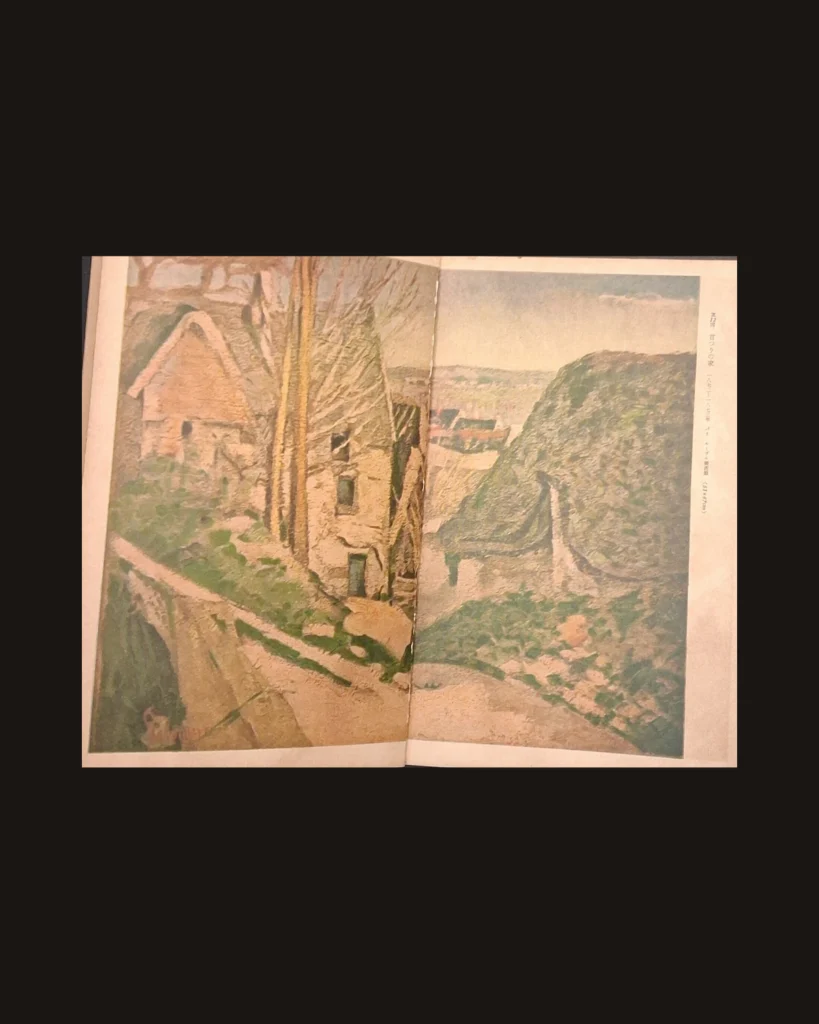
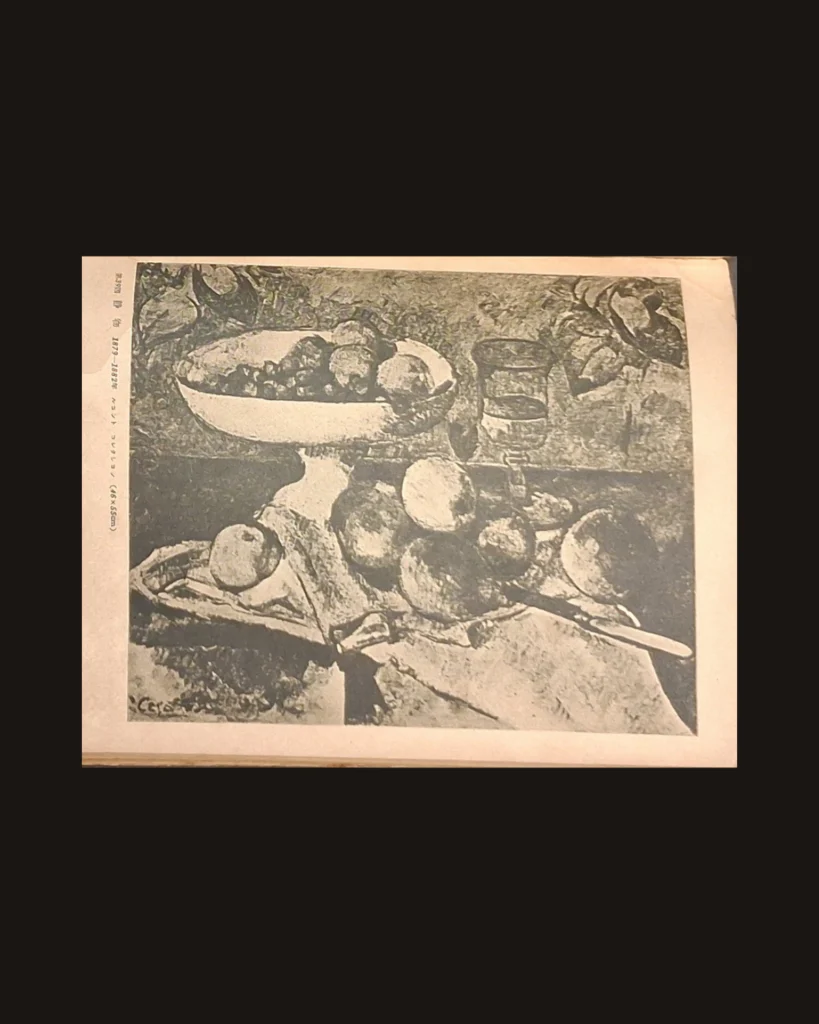
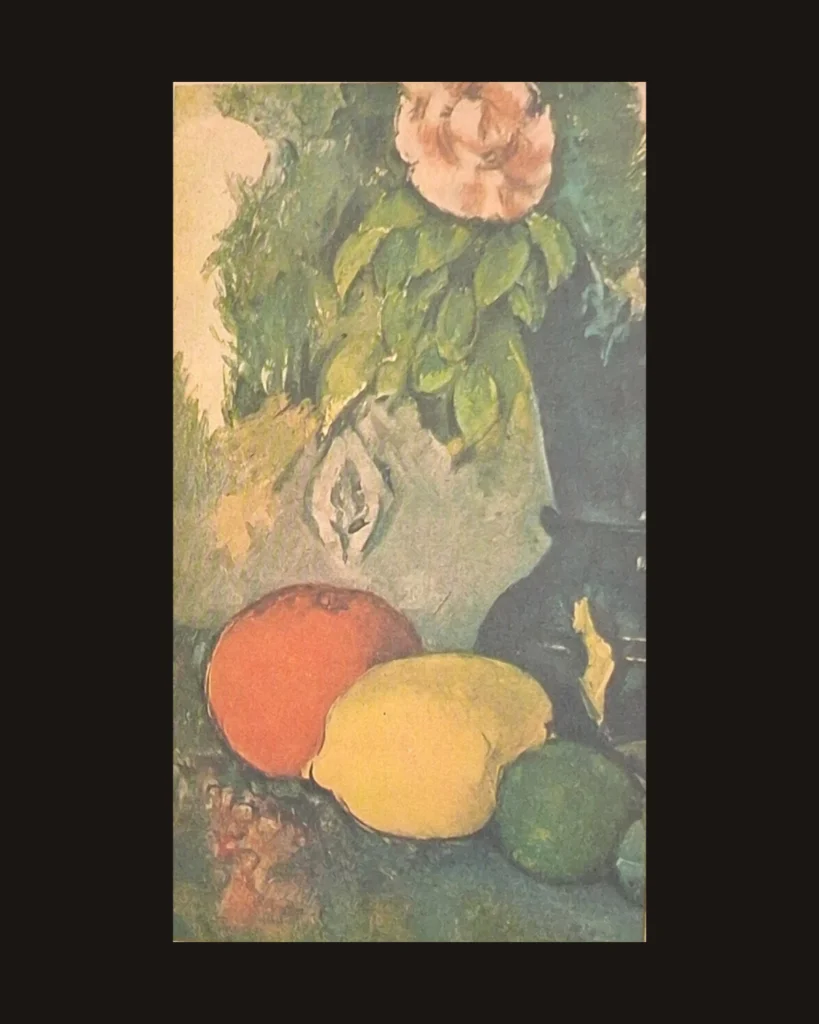
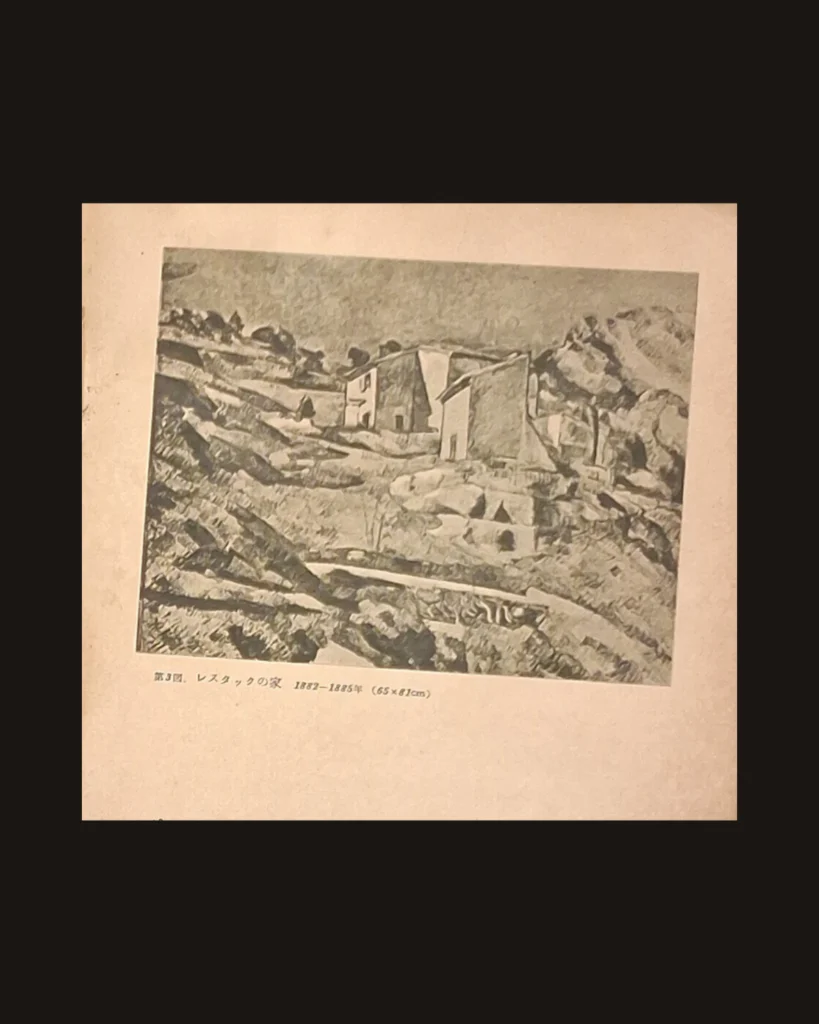
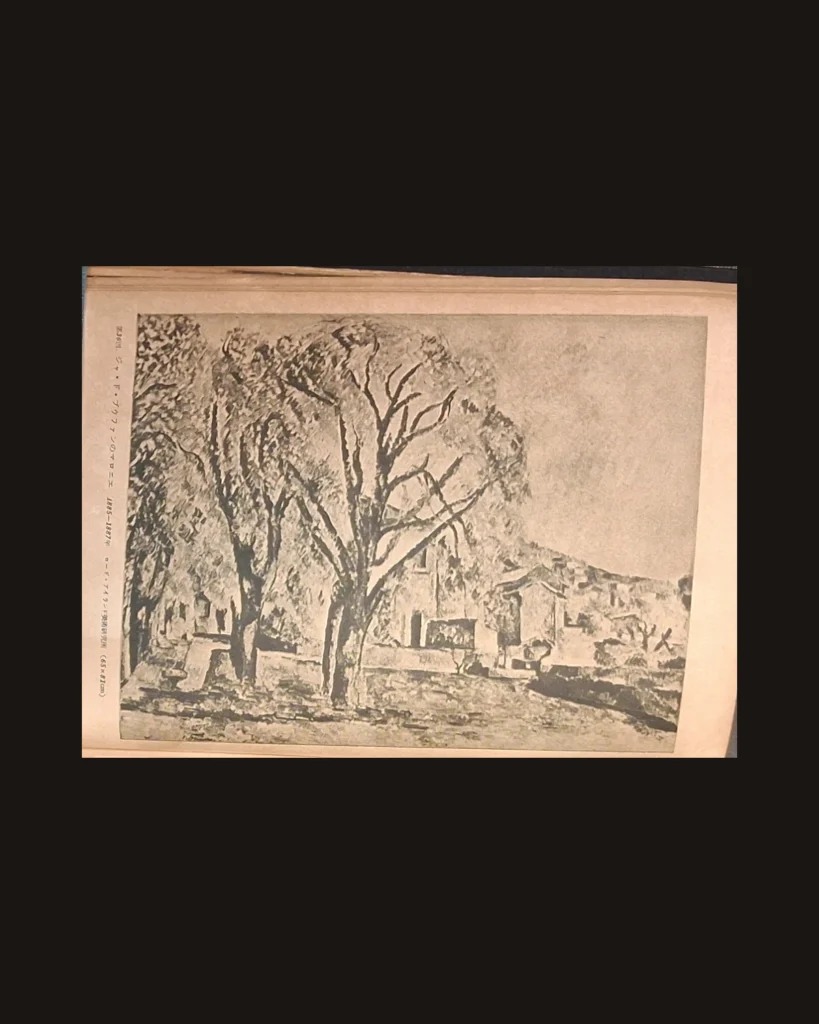
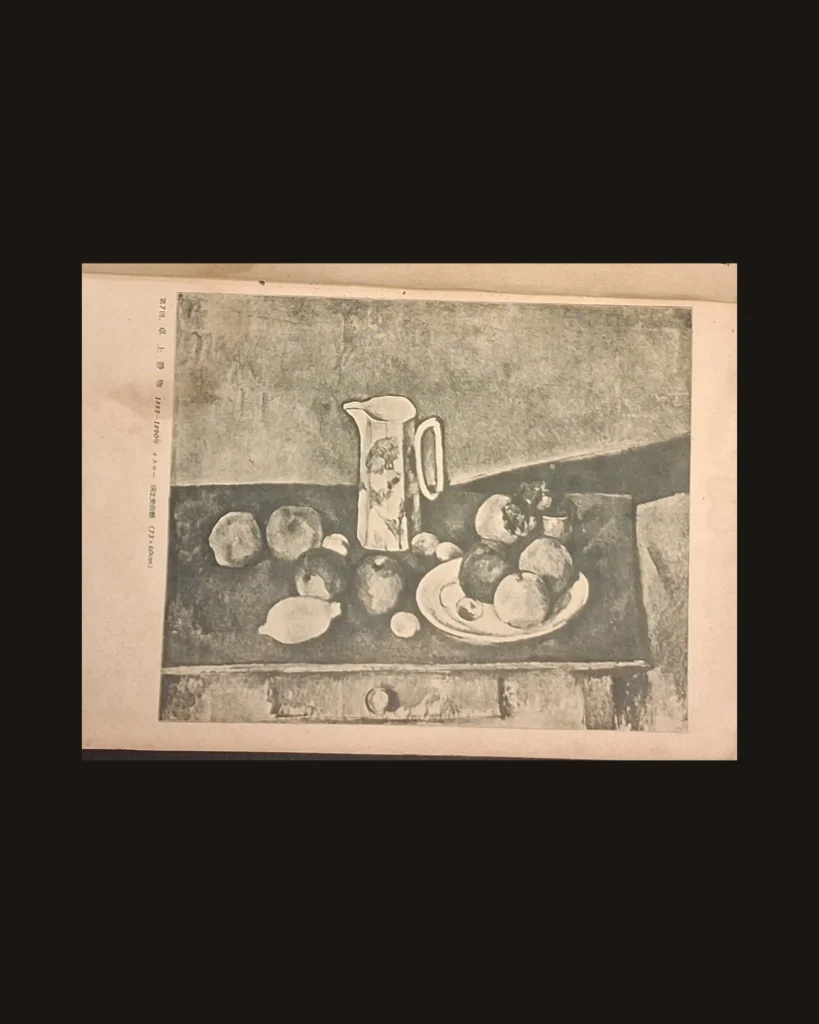
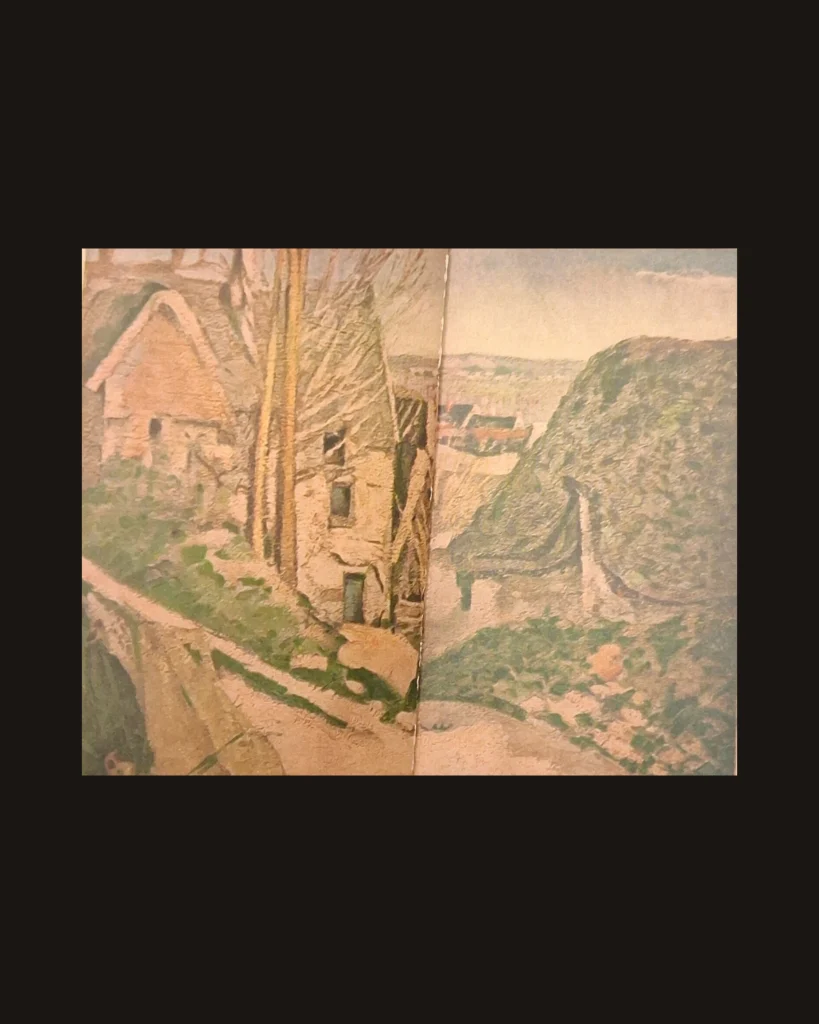
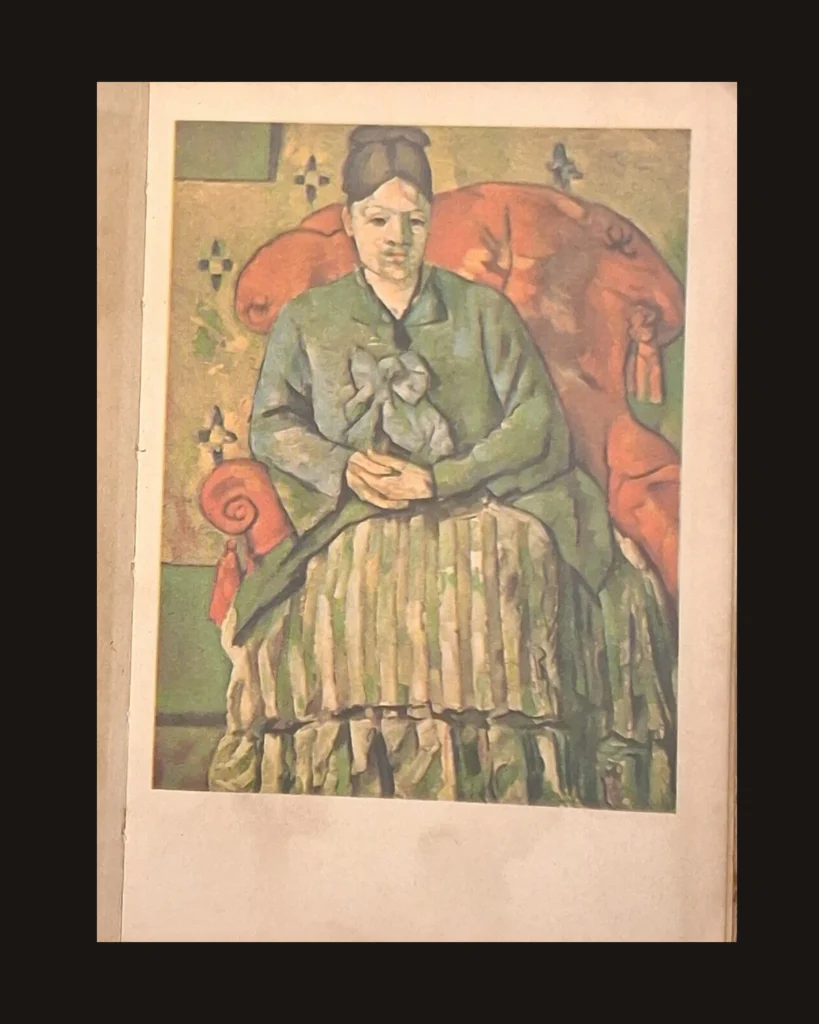
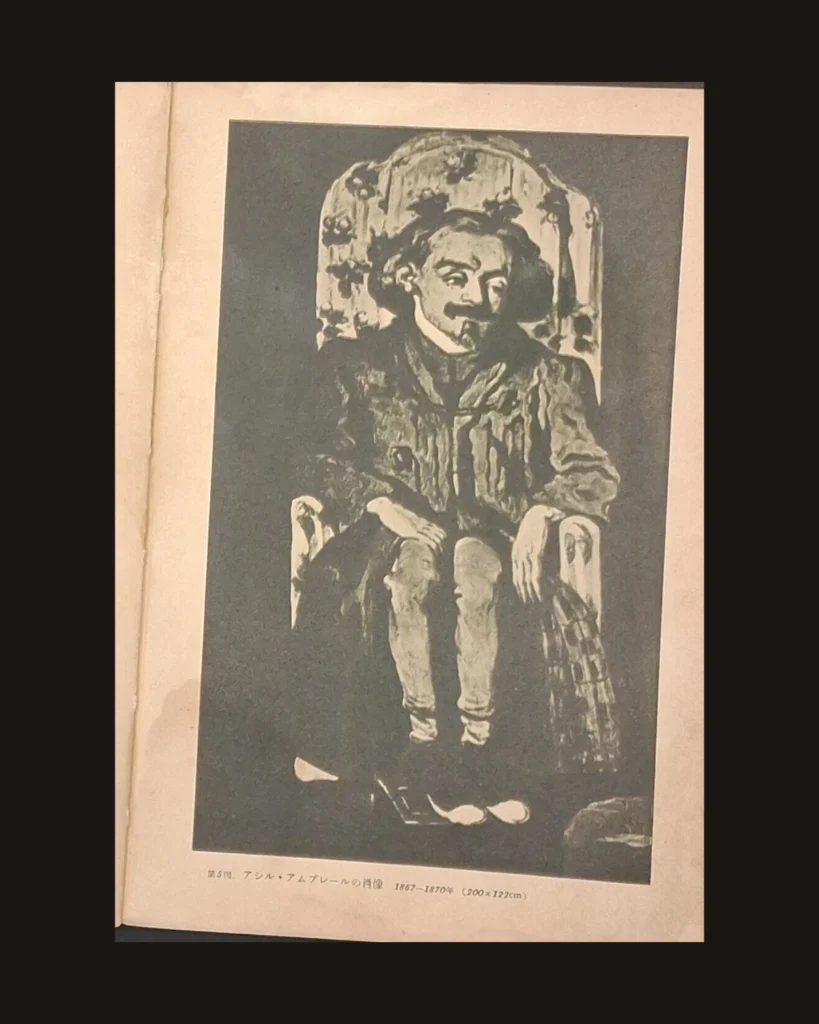
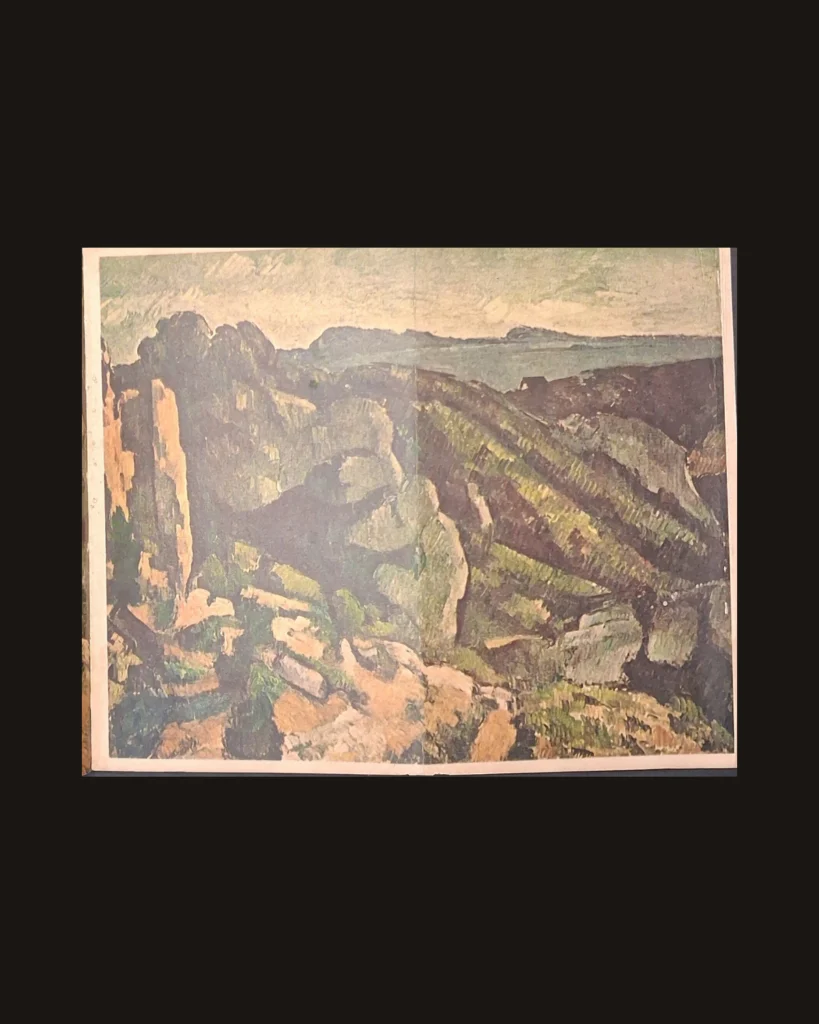
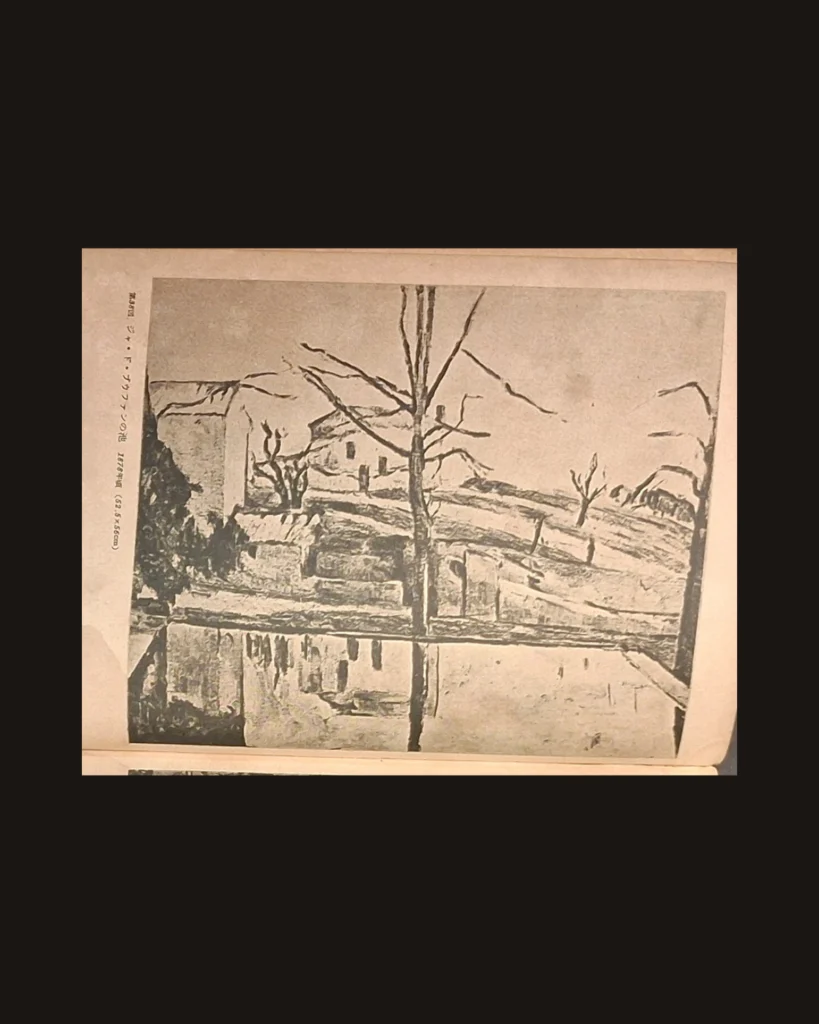
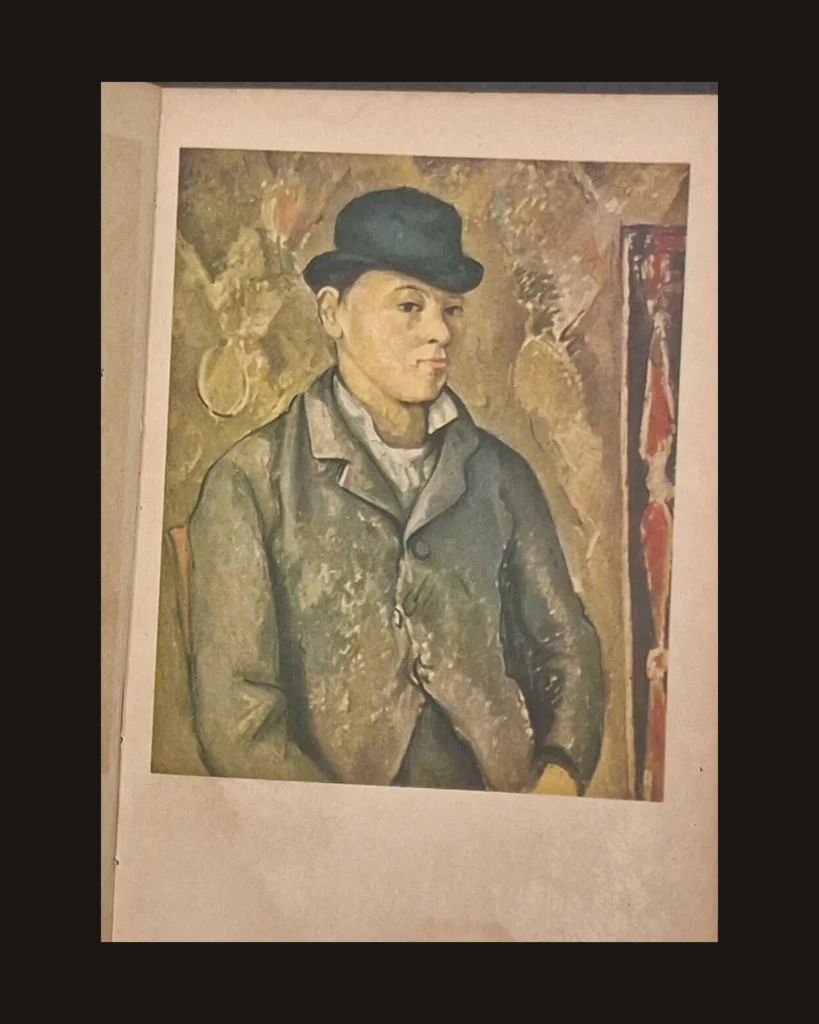
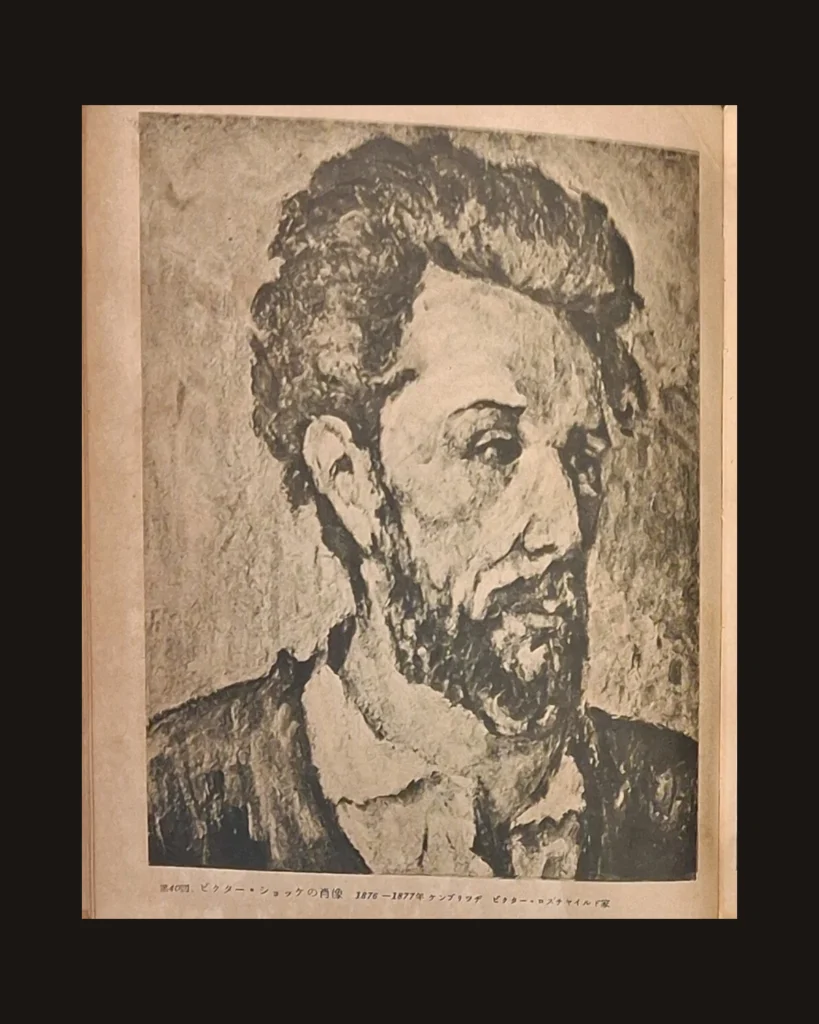
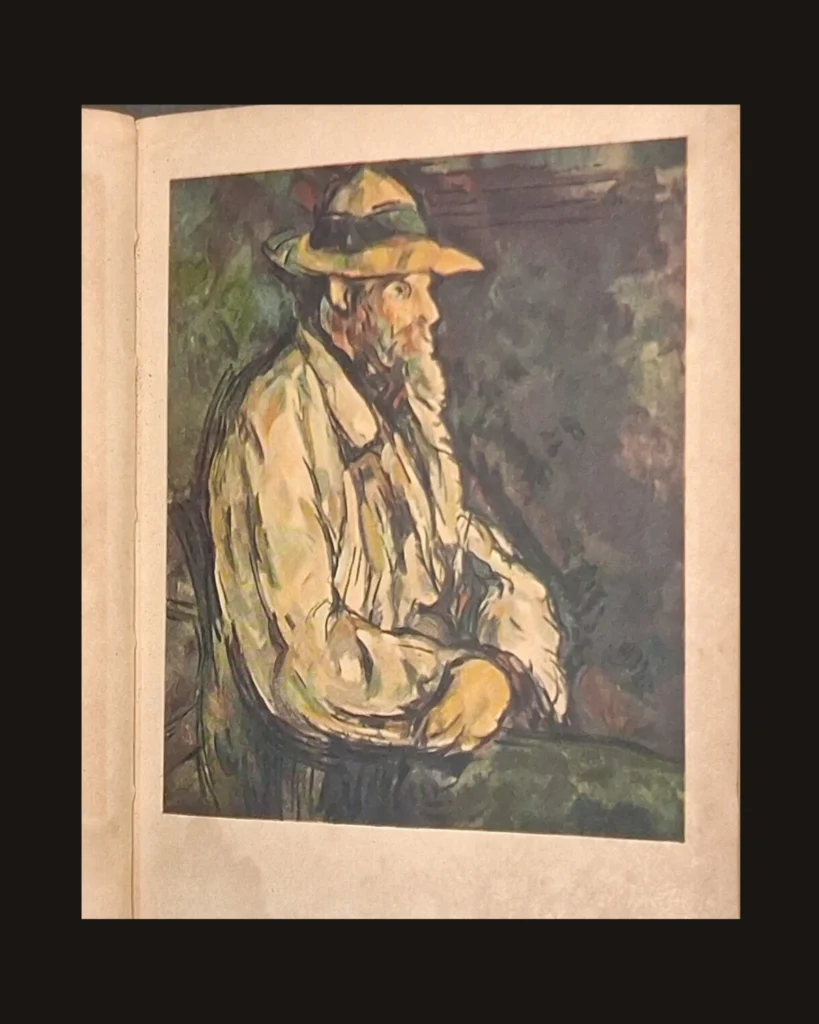
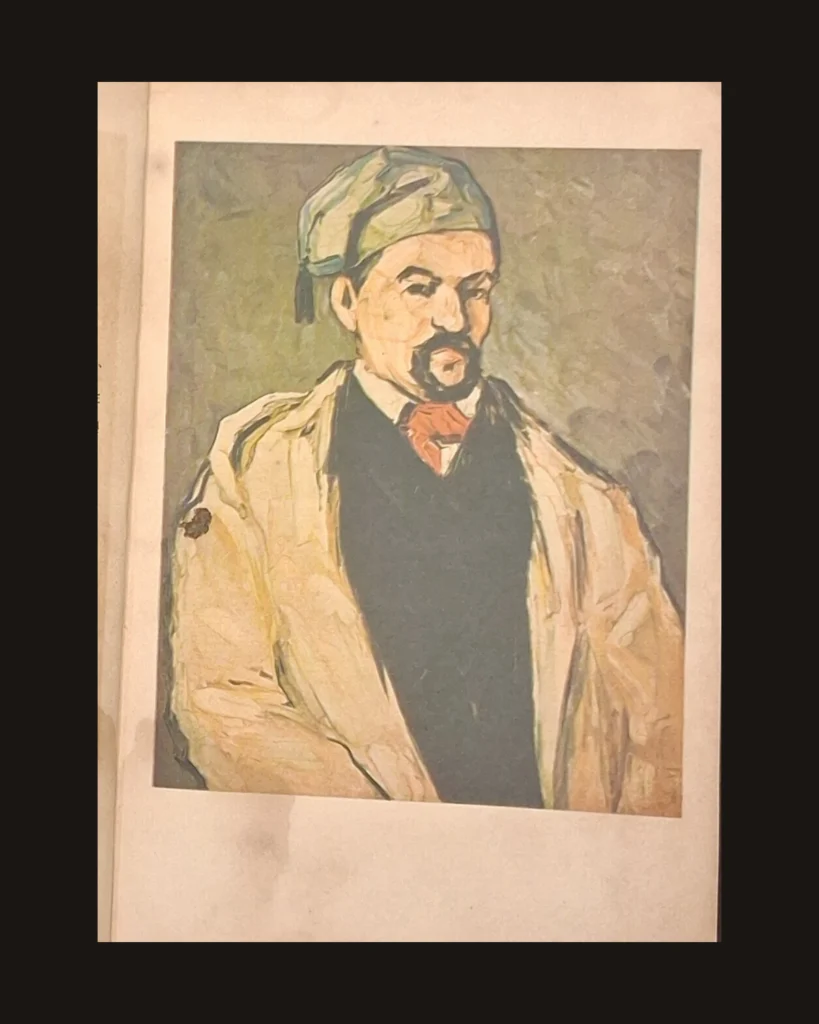
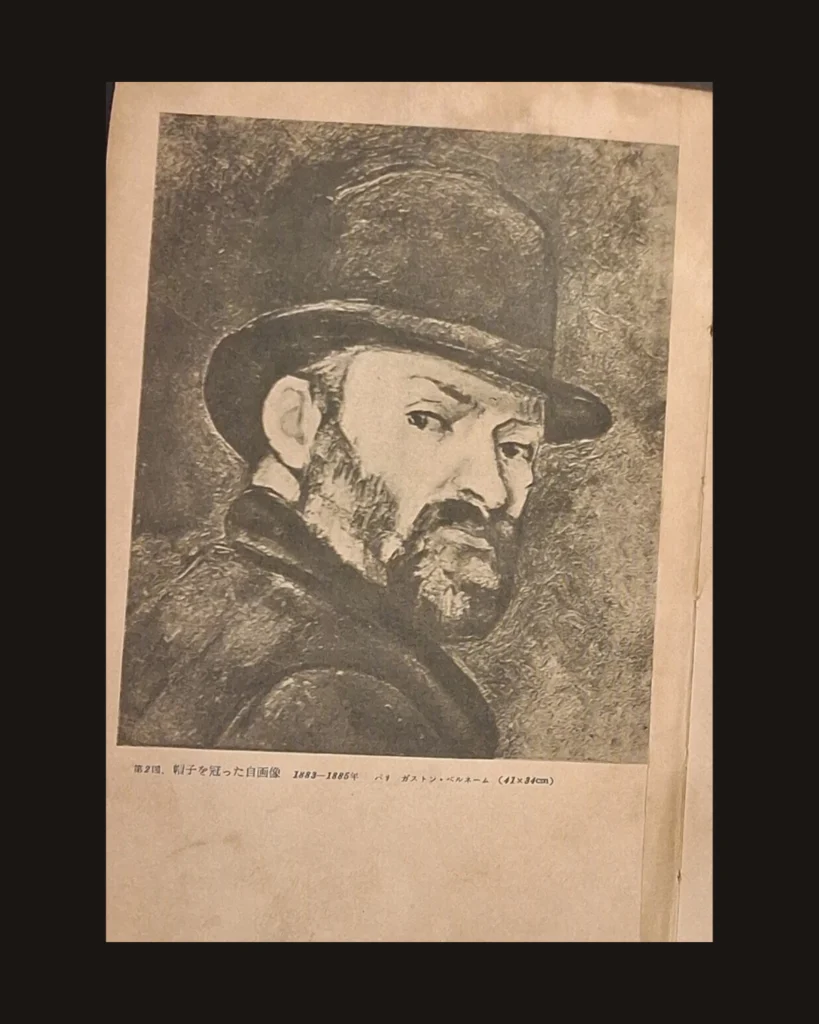
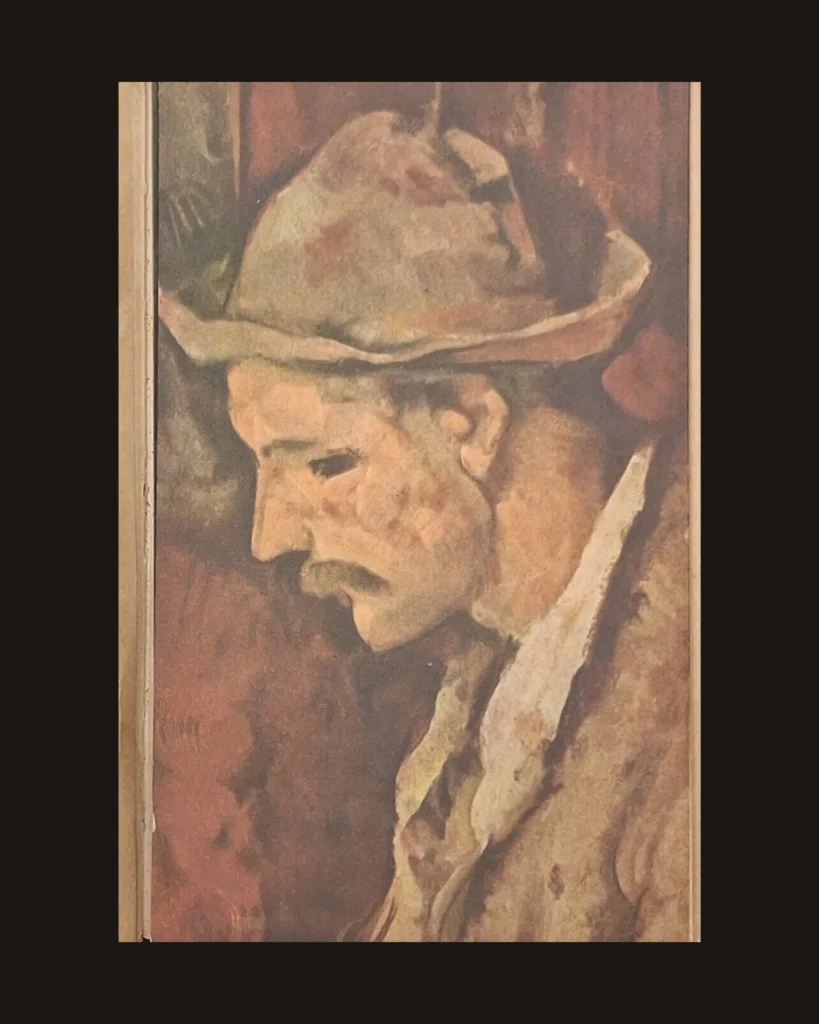
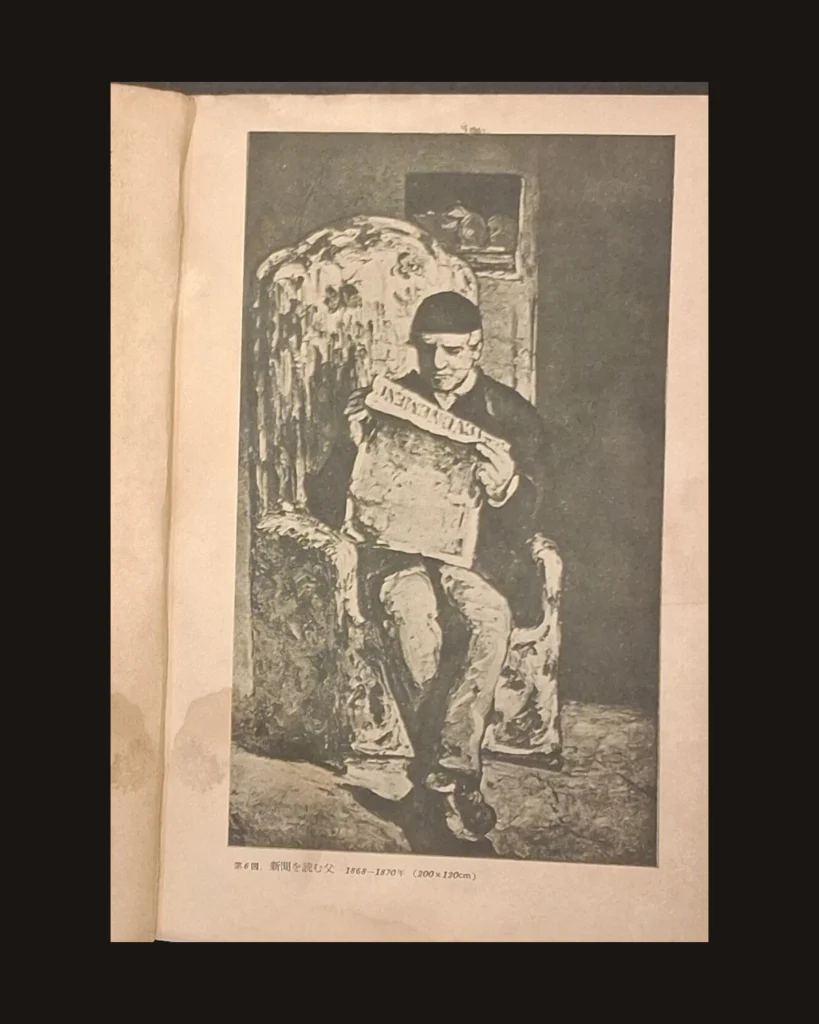
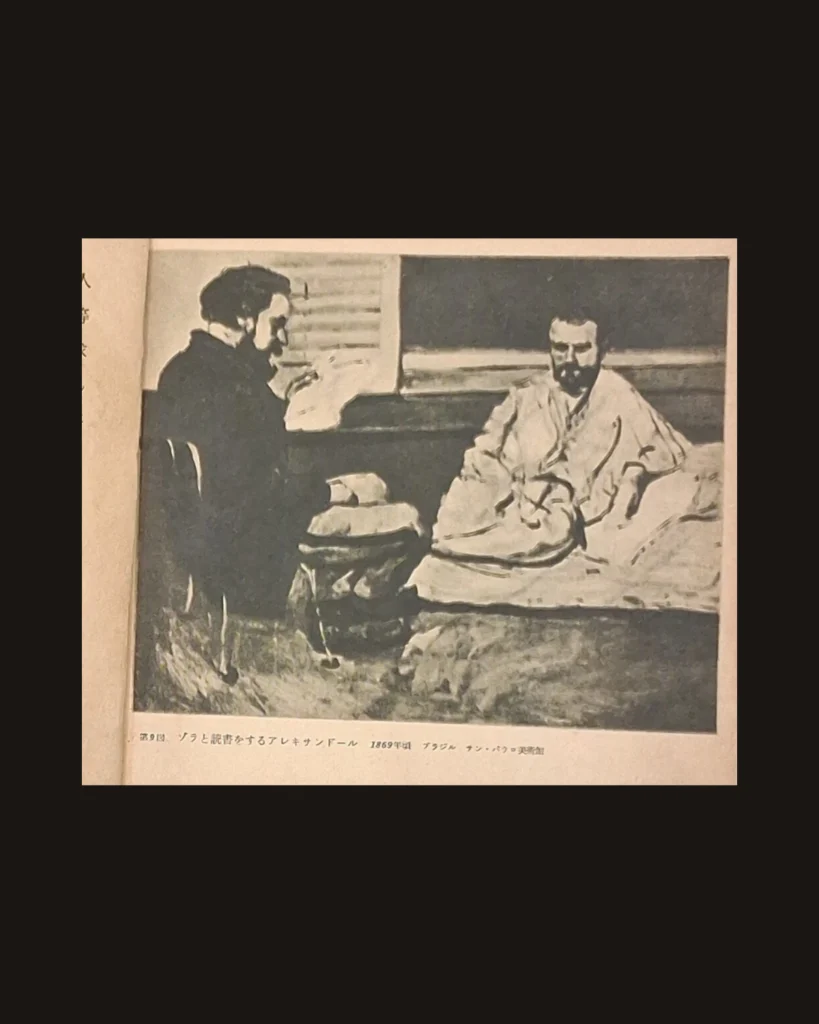
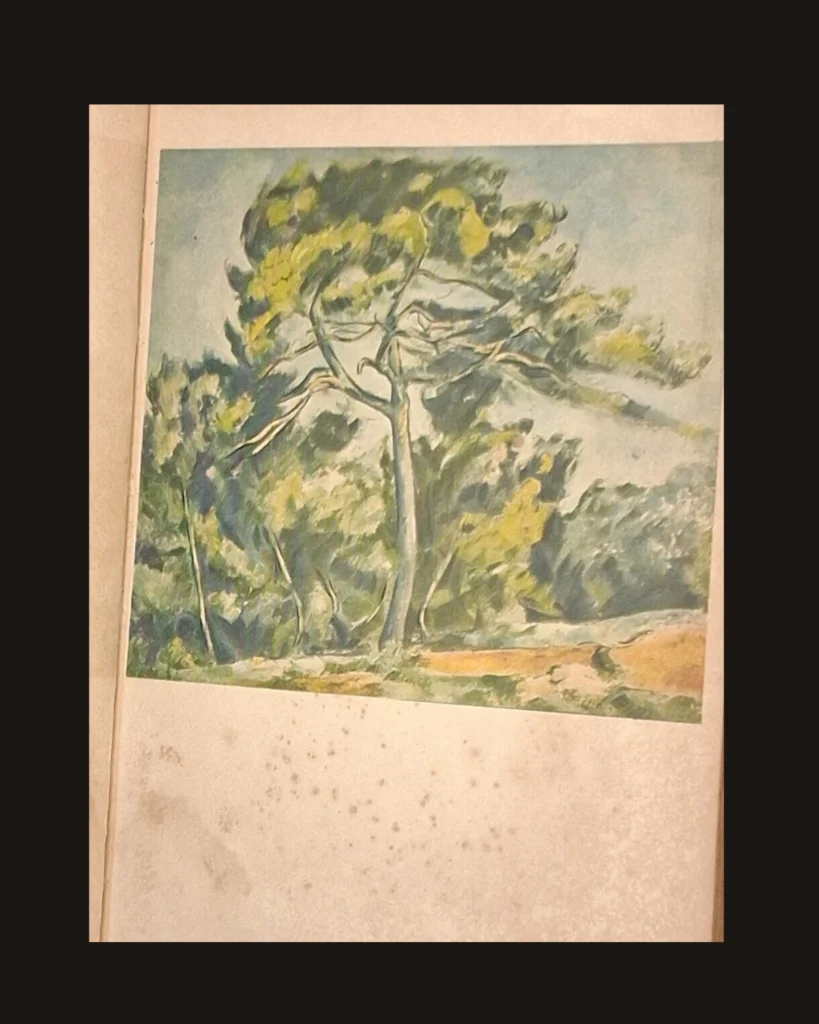
These 17 plates are what this book gave us. Small in number. Enormous in weight. Each one original, removed from the only copy we will ever have. Mounted, stamped, framed. One only. Never again.